
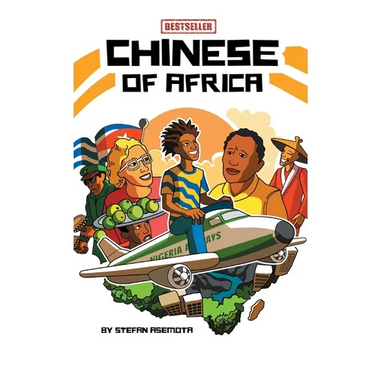

Chinese of Africa - Paperback
 Chinese of Africa - Paperback
$55.47
/
Chinese of Africa - Paperback
$55.47
/

products.product.pickup_availability.unavailable

Your payment information is processed securely. We do not store credit card details nor have access to your credit card information.


by Stefan Asemota (Author)
As the plane took off, I was leaving more than just my father. I was leaving behind the last bit of hope I had When the grief of losing a loved one hijacks his life, Stefan finds himself on a raw, unfiltered journey home with a father he barely knew, armed with nothing but questions and a desperate need to understand. The Chinese of Africa is a personal and sociopolitical memoir that explores Stefan's transformative journey through grief, cultural identity, and a critical examination of Nigeria's socioeconomic structure. Following the loss of his Swiss mother, Stefan accompanies his Nigerian father on a poignant return to his native land, seeking to bridge the emotional distance between them and understand the complex challenges facing contemporary Nigeria. His mother's death becomes the emotional catalyst propelling his journey of reconnection, both with his father and his father's homeland. Grief is portrayed not as a debilitating force but as a transformative experience that opens pathways to deeper understanding. He uses this personal pain to explore the African parenting culture that has traditionally made it difficult for sons to connect with their fathers. Personal and Intimate: The memoir is written with raw honesty and vulnerability, offering a deeply personal and intimate account of the author's life and experiences. Cross-Cultural Exploration: The book provides a unique perspective on the complexities of cross-cultural experiences and the challenges of navigating multiple identities. Blend of Personal and Political: Asemota skillfully weaves together personal reflections with insightful observations on broader social and political issues. Sociopolitical Commentary: The book offers insightful observations on Nigerian society, touching upon issues such as poverty, corruption, and the challenges facing contemporary Africa. If you are interested in exploring themes of identity, belonging, cultural exploration, and the complexities of the African experie

